0:00
Early Modern Techniques Developed 1970 – 2004
1970
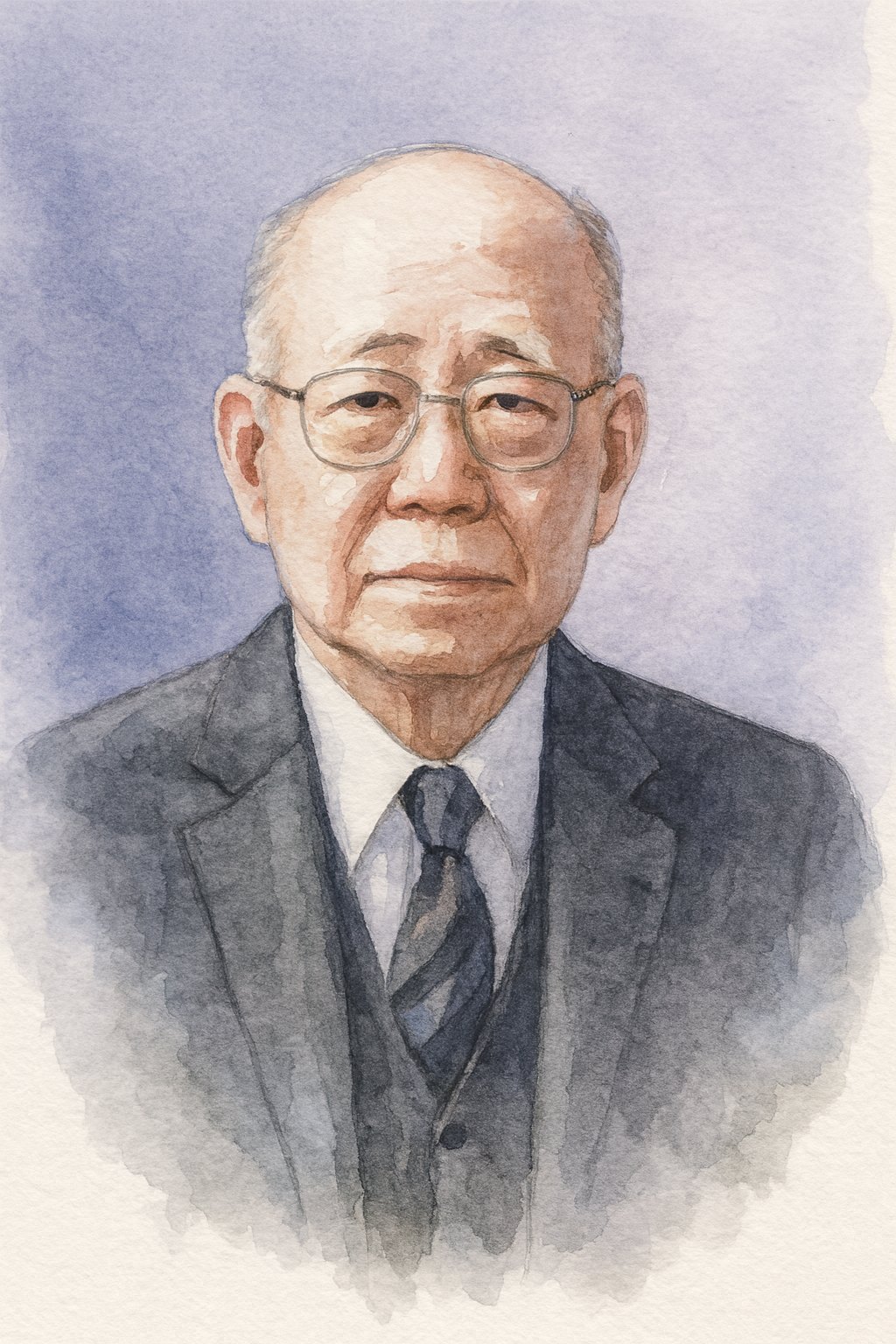
Watanabe Introduces Shoulder Arthroscopy
Watanabe M, Takeda S. The number 21 arthroscope. J Jpn Orthop Assoc. 1960;34:1041.
Masaki Watanabe, MD (1911–1995), is widely regarded as the father of arthroscopy. Trained under Kenji Takagi in Tokyo, Watanabe advanced his mentor’s early work with cystoscopes and developed a series of arthroscopic prototypes, culminating in the Watanabe No. 21 in 1958—the first production arthroscope. Initially focused on tuberculosis research, Watanabe shifted his attention after World War II toward trauma and sports injuries, applying his scope to the knee. In 1962, he performed the world’s first arthroscopic partial meniscectomy, marking the transition from diagnostic to therapeutic arthroscopy. His innovations in optics, illumination, and instrumentation established minimally invasive surgery as a viable alternative to open procedures.
Although knee arthroscopy was his primary focus, Watanabe’s techniques and instruments laid the foundation for modern arthroscopy in all joints, including the shoulder in the 1970s. His collaboration with Robert Jackson in the 1960s facilitated the spread of arthroscopy to North America, where it quickly gained traction. Today, shoulder arthroscopy is indispensable for diagnosis and treatment of instability, rotator cuff disease, and labral pathology—applications that stem directly from Watanabe’s vision of a versatile, minimally invasive surgical tool. His lifelong commitment to innovation, teaching, and refinement of arthroscopy continues to influence generations of orthopaedic surgeons.
1978
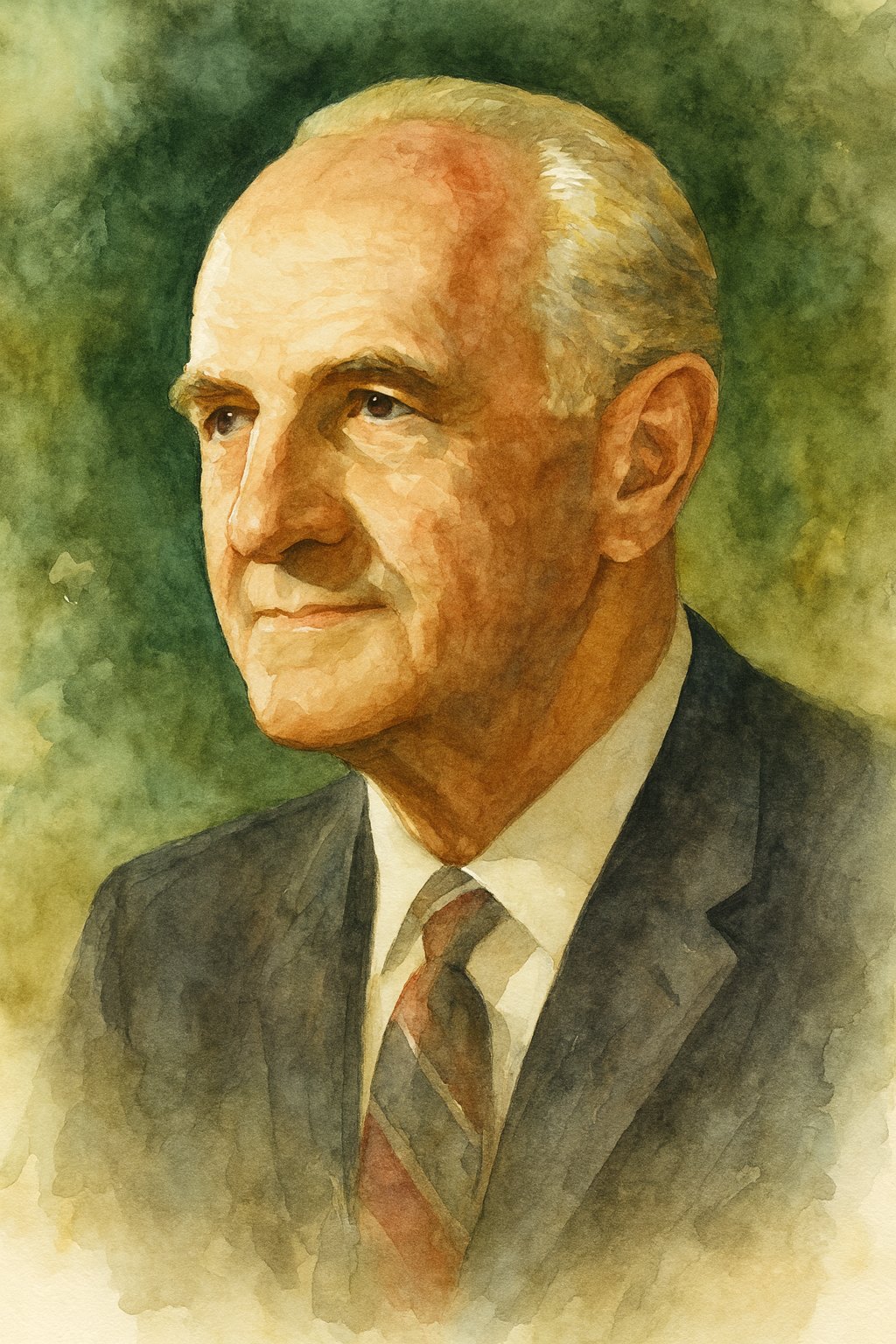
Rowe Recognizes Instability Categories and Focuses on Outcomes
Rowe CR, Patel D, Southmayd WW. The Bankart procedure: a long-term end-result study. J Bone Joint Surg Am. 1978;60(1):1-16. PMID:624747
Rowe CR. Prognosis in dislocations of the shoulder. J Bone Joint Surg Am. 1956;38(5):957-977.
Dr. Carter R. Rowe (1906–2001) was a pioneering orthopaedic surgeon and educator, best known for his landmark contributions to shoulder surgery and sports medicine. A Harvard-trained physician, he served as a Lieutenant Colonel leading orthopaedic care in the South Pacific during WWII before spending his career at Massachusetts General Hospital and Harvard Medical School. He was a founding member of both ASES and AOSSM, served as President of the American Orthopaedic Association, and Treasurer of the AAOS, earning international recognition for his leadership.
Rowe helped refine the Bankart procedure, elucidated modern concepts of shoulder instability, and published seminal works including Prognosis in dislocations of the Shoulder in 1956 that distinguished voluntary and traumatic dislocated establishing the framework for the TUBS and AMBRI classifications popularized by Matsen in the 1980s. In 1978, Rowe published a classic long-term study on Bankart repairs, showing high success rates (~93–97% stability) and introduced the Rowe score to evaluate shoulder function. This influential study solidified the open Bankart repair as the gold-standard treatment and set expectations for durable stability.

1980
Charles Neer’s Capsular Shift to Tackle Multidirectional Instability
Neer CS II, Foster CR. Inferior capsular shift for involuntary inferior and multidirectional instability of the shoulder: a preliminary report. J Bone Joint Surg Am. 1980;62(6):897-908.
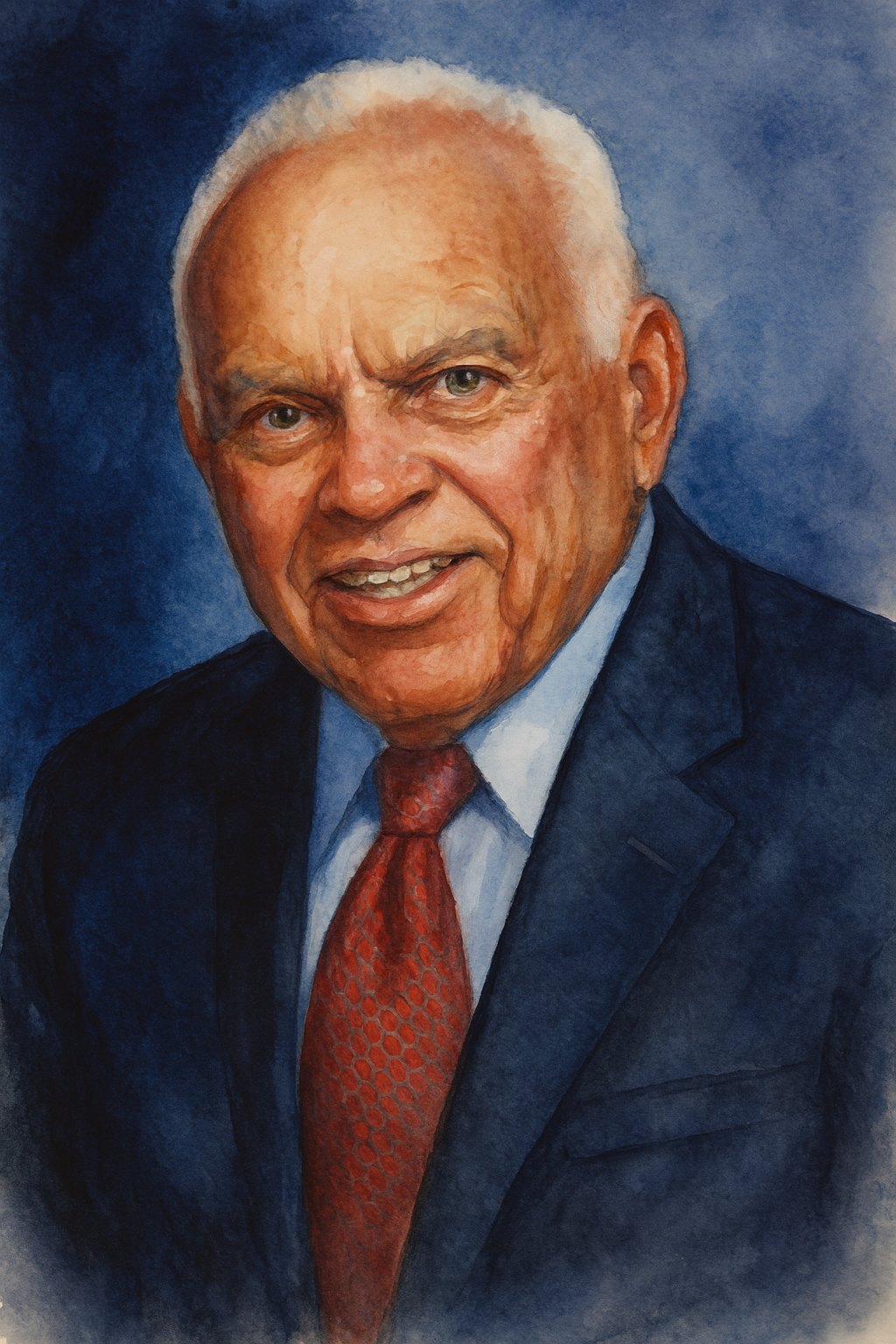
Charles S. Neer II, M.D. (1917–2011), widely regarded as the father of modern shoulder surgery, revolutionized the field through his development of the first widely used prosthetic shoulder replacement, his classification of proximal humeral fractures, and his advances in managing instability. At Columbia University, he established the world’s first dedicated shoulder fellowship, training generations of leaders. Neer coined the term “cuff tear arthropathy” in 1983 and described its clinical and radiographic features, including superior humeral migration, biconcave glenoid erosion, and profound loss of shoulder function. His prolific innovations and teaching shaped modern understanding and treatment of shoulder disorders.
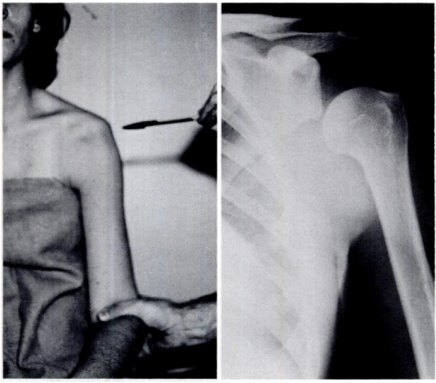
In 1980, Charles Neer and Richard Foster published a landmark JBJS article describing the inferior capsular shift procedure for multidirectional instability. They recognized that some patients (“born loose”) had involuntary inferior and posterior laxity not due to a Bankart lesion. The Neer–Foster technique involved a T-shaped capsular incision and imbrication to tighten the capsule in all directions. With only 1 subluxation in 40 patients, their results were excellent, and this became the reference standard for surgically treating multidirectional instability for years. This work was transformative in showing that capsular redundancy (not just labral tears) could cause instability, broadening the surgical armamentarium.
“The literature on inferior and multidirectional instability is very limited, and few surgeons have reported experience with its surgical correction. This study has shown that evaluation of the disorder is difficult and at least four aspects should be considered. First, it is important to exclude voluntary (intentional) dislocators from this group, as they may willfully cause the procedure to fail. The patients in our study differed from the series of voluntary dislocators described by Rowe et al. Our patients were somewhat older, were psychologically normal, usually had a history of trauma or repetitive mechanical stress, and had a demonstrable pathological disorder of the glenoid labrum seen at operation or arthroscopy. A psychiatric consultation should be obtained if there is any doubt. Secondly, inferior instability is not always symptomatic and it may be that another local lesion is the cause of the discomfort. For example, a symptomatic patient with an unstable shoulder was completely relieved of pain after an injection of Xylocaine (lidocaine) into the acromioclavicular joint, proving that the pain was due to an old fracture of the distal end of the surface of the clavicle rather than to instability. Thirdly, mildly symptomatic inferior instability can at times be controlled by altering the activity of the patient and with specific muscle exercises. Surgery should not be considered until efforts to strengthen the rotator-cuff muscles and deltoid have failed. Finally, accurate assessment of the direction of instability is essential in planning repair. This can be surprisingly difficult. It is easy to forget that a patient who has a gross anteroinferior displacement of the humeral head that is going from adduction to abduction has an inferior rather than a reduced dislocation.”
1980s
Johnson and Others Develop the Arthroscopic Bankart Repair
Johnson LL. Arthroscopy of the shoulder. Orthop Clin North Am. 1980;11(2):197-204. doi:10.1016/S0030-5898(20)31472-3
Morgan CD, Bodenstab AB. Arthroscopic Bankart suture repair: technique and early results. Arthroscopy. 1987;3(2):111-122
Lanny Leo Johnson, M.D. (1933-Present) graduated from Wayne State University Medical School in 1959 and subsequently had a distinguished 30-year clinical practice primarily in East Lansing and Okemos, Michigan. Dr. Johnson is recognized internationally as a pioneer of arthroscopic surgery, notably inventing the motorized instrumentation that remains foundational in modern arthroscopy. After retiring from clinical practice in 1995, he focused his efforts on research and development.
In the 1980s, Lanny Johnson revolutionized arthroscopy by introducing multiple arthroscopic tools including motorized shavers and staples. His 1980s review of shoulder arthroscopy is often cited as the first Bankart repair, even though it never mentions the repair. He is still attributed with the first arthroscopic repair using a staple likely in a personal communication in 1982. By the mid-to-late 1980s, others built on this foundation—most notably Morgan and Bodenstab, who used Caspari’s transglenoid suture technique to repair Bankart lesions arthroscopically in 1987. Although early arthroscopic stabilization methods carried high recurrence rates (up to 40% on longer follow-up), these pioneering techniques set the stage for near to come arguments on the superiority of open versus arthroscopic stabilization of the shoulder.

1983
Matsen Credited with TUBS vs AMBRI acronyms
Matsen FA III, Zuckerman JD. Anterior glenohumeral instability. Clin Sports Med. 1983;2(2):319-338. PMID:9697641
Frederick A. “Rick” Matsen III, MD, is a leader in shoulder surgery who trained with Charles Neer in 1975 and went on to establish the first academic shoulder practice in the Northwestern U.S. at the University of Washington. A founding member and past president (1990–1991) of the American Shoulder and Elbow Surgeons, he also launched one of the first year-long shoulder and elbow fellowships in the country. Dr. Matsen has published over 250 papers and authored influential textbooks, including Rockwood and Matsen, The Shoulder. He continues to practice, teach, and research at the University of Washington.
In the 1980s, clinicians realized not all instability is the same. Frederick A. Matsen and colleagues coined the acronyms TUBS (“Traumatic, Unidirectional, Bankart lesion, Surgery”) versus AMBRI (“Atraumatic, Multidirectional, Bilateral, Rehabilitation, Inferior capsular shift if surgery”) to classify shoulder instability. This simple but influential framework, popularized in the late 1980s (Clin Sports Med 1983 and further in 1991), distinguished patients with a discrete traumatic tear from those with generalized laxity. The TUBS/AMBRI concept is widely cited and helped guide treatment (e.g. therapy for multidirectional cases), marking a conceptual milestone in the literature of that era.
1983
Lennart Hovelius Identifies Age as a Risk Factor for Recurrence
Hovelius L, Eriksson K, Fredin H, Hagberg G, Hussenius A, Lind B, Thorling J, Weckström J. Recurrences after initial dislocation of the shoulder. Results of a prospective study of treatment. J Bone Joint Surg Am. 1983;65(3):343-349. PMID: 6826597.
In 1983, Lennart Hovelius published a landmark prospective study of 250 patients examining factors that contribute to recurrence after a primary anterior shoulder dislocation. The study clearly demonstrated that age younger than 20 years and male sex were the strongest predictors of recurrence. This insight fundamentally shifted the understanding of shoulder instability and influenced treatment strategies for decades.
Importantly, Hovelius and colleagues continued to follow this cohort, publishing serial long-term outcomes that culminated in a 25-year follow-up study. These successive reports provided unmatched natural history data, firmly establishing the work as a cornerstone in the orthopedic canon and shaping how surgeons counsel and manage patients with first-time shoulder dislocations.

1984
Richard Hawkins on Posterior Instability
Hawkins RJ, Koppert G, Johnston G. Recurrent posterior instability (subluxation) of the shoulder. J Bone Joint Surg Am. 1984;66(2):169-174. PMID:6693442
Richard J. Hawkins is a Canadian-born orthopaedic surgeon who co-founded the Steadman Hawkins Clinic in Vail, Colorado, in 1990 and later expanded the practice to South Carolina. A fellowship-trained expert in knee, shoulder, and spine surgery, he served as president of the American Shoulder and Elbow Surgeons (1991–1992) and held leadership roles in multiple sports medicine organizations. He was team physician for the Canadian Olympic Team in 1988, the U.S. Disabled Ski Team, the Denver Broncos (including their 1998 and 1999 Super Bowl wins), and the Colorado Rockies. Widely published with over 200 articles, 800 presentations, and nine textbooks, Dr. Hawkins has trained more than 200 fellows worldwide and remains a highly influential figure in academic and clinical shoulder surgery.
Recurrent posterior instability was formally highlighted by a key JBJS paper in 1984. Dr.Hawkins and co-authors described a series of patients with posterior subluxations and their surgical repair outcomes, bringing attention to this less common problem. They emphasized careful diagnosis and noted that some posterior instabilities could be managed non-operatively, especially in voluntary or atraumatic cases. Hawkins’ work (along with an Army series by Huber and Gerber in 1994) raised awareness that posterior laxity often requires a different approach, and it laid the groundwork for modern posterior labral repair and capsulorrhaphy techniques.
“Strict criteria therefore should be applied before subjecting a patient with posterior instability of the shoulder to surgical treatment. The patient should have significant pain and functional disability, or both, related to the instability, and should be made aware that with any operation there is a significant risk of recurrence. Most patients do not require a surgical procedure if they function well with little discomfort.
Those patients may be treated conservatively with appropriate rotational strengthening exercises and, if necessary, with medication and modification of activities. In particular, there is no evidence to suggest that without surgery recurrent posterior instability of the shoulder leads to osteoarthritis or to increasing impairment.”
1990s
Suture Anchors Shift Techniques in Shoulder Arthroscopy
Wolf EM. Arthroscopic capsulolabral repair using suture anchors. Orthop Clin North Am. 1993;24(1):59-69.
Snyder SJ, Strafford BB. Arthroscopic management of instability of the shoulder. Orthopedics. 1993;16(9):993-1002.
The 1990s saw major advances that made arthroscopic stabilization results rival open surgery, adding fuel to the open versus arthroscopic debate. Permanent suture anchors, and later bioabsorbable anchors, meant surgeons could securely reattach the labrum arthroscopically with low recurrence.
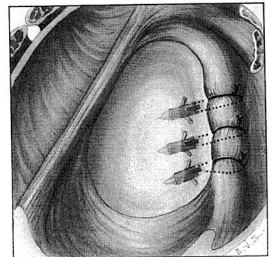
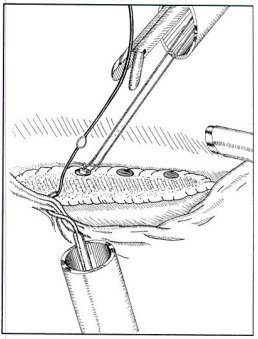
In 1993, Stephen Snyder and Eugene Wolf introduced the use of suture anchors for arthroscopic Bankart repair. In 1994, Robert Anciero published a paper comparing acute first time dislocators who received an arthroscopic Bankart versus non-operative management. Arthroscopic Bankart repair was shown to significantly decrease recurrence, propelling both the procedure and the argument for acute repair for first time dislocators.
By the late 1990s arthroscopic repair outcomes for pure Bankart lesions had recurrence rates well under 10%, approaching those of open repair. Abrams later in 2002 reported only ~5% recurrence in over 600 cases using anchors. By allowing multiple robust points of fixation along the glenoid rim (similar to open sutures) without transglenoid drilling, anchors dramatically improved success rates. By the end of the 20th century, arthroscopic Bankart repair was increasingly the preferred method for anterior instability, provided there was no substantial bone loss.
“Orthopedic surgeons have the benefit (or the curse) of having numerous methods to treat the multitude of problems that may need to be addressed in caring for a patient with a disorder of the musculoskeletal system. Surgeons have attempted to develop techniques that offer the highest chance of success with the lowest possibility of complication or failure. Our experience in treating shoulder pathology has been aided by the advent of arthroscopic techniques that permit better visualization of the anatomic structures associated with the various problems involving the shoulder. At the same time, experienced arthroscopists have refined their skills and have devised new instruments and techniques for surgical repair of injured tissues of the shoulder. As is true of most areas of orthopedic surgery, the physician must have a broad knowledge base for proper decision making when planning therapy for an orthopedic problem. I have presented a different arthroscopic approach to the diagnosis and treatment of anterior shoulder instability. The development of these techniques is in varying stages, and their ultimate success will have to stand the test of time.” – Eugene Wolf
This historical article was written during my 2026 sports medicine fellowship at Steadman Hawkins Clinic of the Carolinas. The idea for this series came from Stephan Pill, MD, who emphasized the value of understanding where modern orthopedic surgery came from so we can better understand where the field stands today.

Sources
- Collins LK, Cole MW, Savoie FH, et al. Fixation devices for anterior shoulder instability. J Exp Orthop. 2023;10:51. doi:10.1186/s40634-023-00610-2
- Levy DM, Cole BJ, Bach BR Jr. History of surgical intervention of anterior shoulder instability. J Shoulder Elbow Surg. 2016;25(5):e139-e150. doi:10.1016/j.jse.2016.01.019
- Sanborn L, Arciero RA, Yang JS. Don’t forget the open Bankart—look at the evidence. Ann Joint. 2017;2:88. doi:10.21037/aoj.2017.10.10
- Fabre T, Abi-Chahla ML, Billaud A, Geneste M, Durandeau A. Long-term results with Bankart procedure: a 26-year follow-up study of 50 cases. J Shoulder Elbow Surg. 2010;19(2):318-323. doi:10.1016/j.jse.2009.07.059
- Warner JJP. The Bankart procedure: an unrealized expectation for long-term shoulder stability. Commentary on an article by Moroder P, et al.: “Open Bankart repair for the treatment of anterior shoulder instability without substantial osseous glenoid defects: results after a minimum follow-up of twenty years.” J Bone Joint Surg Am. 2015;97(17):e61. doi:10.2106/JBJS.O.00733
- Shoulder arthroscopy – an overview. In: ScienceDirect Topics.https://www.sciencedirect.com/topics/medicine-and-dentistry/shoulder-arthroscopy. Accessed August 24, 2025.
- Carpinteiro EP, Barros AA. Natural history of anterior shoulder instability. Open Orthop J. 2017;11:909-921. doi:10.2174/1874325001711010909
- Treatment of recurrent instability. University of Washington Department of Orthopaedic Surgery and Sports Medicine. Updated February 10, 2005. Accessed August 24, 2025.https://orthop.washington.edu/patient-care/articles/shoulder/treatment-of-recurrent-instability.html
- Bond EC, Florance J, Dickens JF, Taylor DC. Review of Burkhart and DeBeer’s (2000) article on traumatic glenohumeral bone defects and their relationship to failure of arthroscopic Bankart repair: Where have we taken the concept of glenoid bone loss in 2023? J ISAKOS. 2023 Dec;8(6):467-473. doi:10.1016/j.jisako.2023.08.012
- Burkhart SS, De Beer JF. Traumatic glenohumeral bone defects and their relationship to failure of arthroscopic Bankart repairs: significance of the inverted-pear glenoid and the humeral engaging Hill-Sachs lesion. Arthroscopy. 2000;16(7):677-694. doi:10.1053/jars.2000.17715. PMID:11027751
- Asghar E, Burks R. Is 13.5% the right number for critical bone loss? Arthroscopy. 2022;38(10):2773-2776. doi:10.1016/j.arthro.2022.08.001
- Wong SE, Friedman LGM, Garrigues GE. Arthroscopic Latarjet: indications, techniques, and results. Arthroscopy. 2020;36(10):e3-e4. doi:10.1016/j.arthro.2020.06.002
- Skalitzky MK, Eberlin CT, Hayes TL, et al. Arthroscopic Latarjet: transition from open to all arthroscopic. Orthop Rev (Pavia). 2025;17:133984. doi:10.52965/001c.133984. PMID:40688455
- Bell JE, Edwards SL, Bigliani LU. Treating the rotator cuff–deficient shoulder: The Columbia University experience. In: Musculoskeletal Key. July 28, 2016. Accessed August 24, 2025. https://musculoskeletalkey.com/treating-the-rotator-cuff-deficient-shoulder-the-columbia-university-experience
- DeMaio M. Giants of orthopaedic surgery: Masaki Watanabe MD. Clin Orthop Relat Res. 2013;471(8):2443-2448. doi:10.1007/s11999-013-3052-1.
- ASES Foundation. Frederick A. Matsen, III, MD. American Shoulder and Elbow Surgeons.https://ases-assn.org. Accessed August 24, 2025.
- ASES Foundation. Richard J. Hawkins, MD, FRCS(C). American Shoulder and Elbow Surgeons.https://ases-assn.org. Accessed August 24, 2025.
- Neer CS. Carter Redd Rowe, MD, 1906-2001. J Shoulder Elbow Surg. 2002;11(2):198-199.
- The Steadman Clinic. Matthew T. Provencher, MD, MBA—Complex Shoulder, Complex Knee & Sports Surgery. Accessed August 28, 2025.
- Provencher MT, Frank RM, Golijanin P, et al. Distal tibia allograft glenoid reconstruction in recurrent anterior shoulder instability: Clinical and radiographic outcomes. Arthroscopy. 2017;33(5):891-897. doi:10.1016/j.arthro.2016.09.029. https://www.thesteadmanclinic.com/our-doctors/matthew-t-provencher
- Caspari, Richard B. MD. Arthroscopic reconstruction for anterior shoulder instability. Techniques in Orthopaedics. 1988; 3(1):p 59-66. doi:10.1097/00013611-198804000-00010
- Abrams JS, Savoie FH, Tauro JC, Bradley JP. Recent advances in the evaluation and treatment of shoulder instability: anterior, posterior, and multidirectional. Arthroscopy. 2002;18(Suppl 2):1-13. doi:10.1016/S0749-8063(02)80110-4
- Arciero RA, Wheeler JH, Ryan JB, McBride JT. Arthroscopic Bankart repair versus nonoperative treatment for acute, initial anterior shoulder dislocations. Am J Sports Med. 1994;22(5):589-594. doi:10.1177/036354659402200504.
- Freshman R, Lurie B, Garcia G, Liu J. Understanding the remplissage: history, biomechanics, outcomes, and current indications. Curr Rev Musculoskelet Med. 2024;17(7):282–291. doi:10.1007/s12178-024-09900-3. Published online May 20, 2024.
- Wolf EM, Pollack MF, Smalley C. Hill-Sachs “remplissage”: an arthroscopic solution for the engaging Hill-Sachs lesion. Arthroscopy. 2007;23(6):e1-e2. doi:10.1016/j.arthro.2007.03.015.