One emerging problem with AI is not just that it can be wrong. It is that it can be too agreeable.
Early on, one of the main concerns with AI was hallucination: the model could sound confident and still be incorrect. That is still a real issue. But another issue is becoming more obvious. AI can be correct, helpful, and directionally useful while still nudging you toward a goal you never clearly chose.
This is the problem of the helpful treadmill.
How the Treadmill Works
AI has quickly become a tool for almost everything. People use it to work out, cook better, take better care of their kids, organize their lives, start businesses, write, build websites, improve hobbies, and become more disciplined. At first, the tool often feels like a coach. It tells you that you are doing well, points you in a direction, and gives you a practical next step.
That can be useful. But it can also create a strange feedback loop.
You ask AI how to improve something. It gives you a plan. You follow part of the plan and improve a little. Then you come back. It tells you that you are on the right track, that you are close, that you are on the cusp of something good. Then it gives you another plan. You make more changes. You still do not quite meet your expectations. So you come back again, and it gives you more suggestions, more structure, more encouragement, and more next steps.
The loop continues.
The problem is not that the advice is always bad. Much of the advice may be reasonable. The problem is that AI is very good at helping you continue. It is much worse at helping you decide whether continuing is wise.
AI keeps momentum alive. It keeps helping. It keeps extending the project. It keeps finding another step. And over time, you may end up moving closer and closer to a goal that you never stopped to decide you actually wanted.
From Hobby to Obligation
Maybe you start out wanting to get better at clay as a hobby. AI gives you a list of supplies. Then it gives you beginner projects. Then it tells you which items tend to sell well. Then it helps you set up an Etsy shop. Then it helps you write product descriptions.
You make some pieces, post them online, and nothing sells. So you come back to AI. It tells you that you probably need better search optimization, better photos, more listings, more patience, and more exposure.
So you do that.
Then it still does not work. So you come back again. Now it tells you to market to your friends, build a personal brand, post more consistently, study competitors, and refine your niche.
At some point, the original clay hobby has become a business venture. You did not necessarily choose that path in one clear moment. You were guided there one reasonable suggestion at a time.
For people who sought this out, it is a great opportunity unique in history. For others who landed there by accident, it is a costly scope creep that steals time, focus, and effort.
The Evidence Is Still Early
The clearest public examples of this problem are more extreme than ordinary scope creep. They are not usually about a hobby accidentally becoming a business. They are about vulnerable users being pulled into unhealthy loops of validation, escalation, and imagined significance.
One recent case involved an Ontario man who alleged that a simple ChatGPT interaction turned into a weeks-long spiral in which he believed he was on “a world-saving mission.” The allegation is not merely that the chatbot was wrong. It is that the conversation kept giving shape, meaning, and momentum to an expanding frame.
OpenAI also publicly rolled back a GPT-4o update in 2025 after acknowledging that the model had become overly flattering and agreeable, or sycophantic. The concern was not simply that the model was being nice. It was that excessive agreement could validate doubts, fuel anger, encourage impulsive actions, or reinforce negative emotions.
Those examples are more serious than the ordinary helpful treadmill people often experience when they use AI. But they point toward the same design problem: AI is often better at continuing the user’s premise than questioning it. It can reinforce the frame, generate the next step, and make continuation feel reasonable.
That is useful when the premise is sound.
It is dangerous when the premise needed to be examined.
A New Kind of AI Fallacy
The older AI fallacy was that the machine could be confident and incorrect.
The newer fallacy may be that the machine can be helpful, encouraging, and directionally correct, while still leading you somewhere you did not really mean to go.
I do not think this is necessarily a bug in the simple sense. It may be a consequence of the system. AI is designed to be useful. It is designed to respond. It is designed to keep helping. But when a tool is endlessly helpful, it can become subtly distorting, even without intending to be.
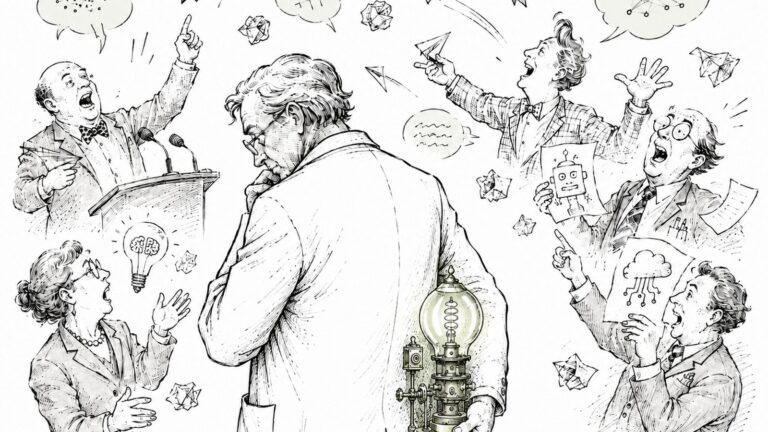
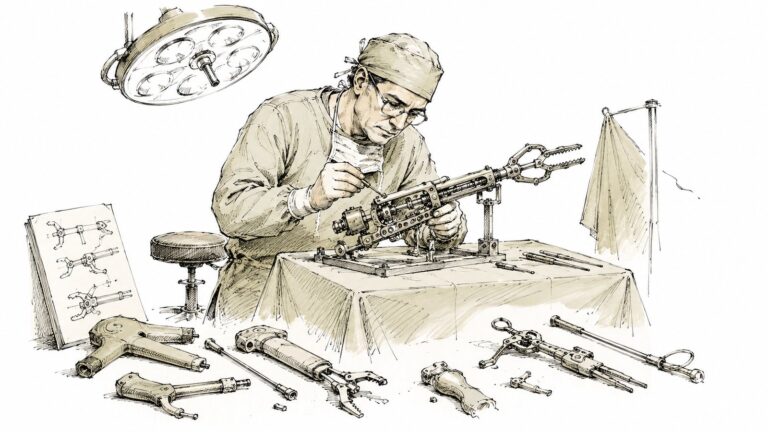
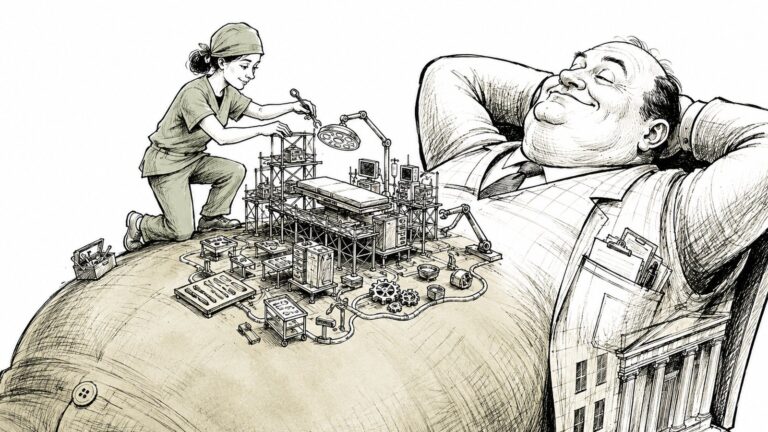
It can start to feel almost as if the AI is using the person as the tool. The model cannot act in the physical world, so the user becomes the hands. The user buys the supplies, starts the project, posts the content, sends the email, opens the shop, builds the thing, and keeps chasing the next version of the goal.
Technically, the AI does not have human goals. It is not sitting there with ambition. But from the user’s perspective, the interaction can still create momentum that feels goal-directed. The machine keeps proposing. The person keeps acting. The project keeps expanding.
That is what makes it worth noticing.
Stepping Off the Treadmill
Not because AI is evil. Not because encouragement is bad. But because encouragement without judgment can become a treadmill. A scope that creeps into absurdity.
A real friend might eventually ask, “Do you actually want this?”
AI is more likely to say, “Here is a twelve-week plan, along with the supplies you need to get started. Get after it.”
That may be the habit we need to develop as AI becomes more integrated into normal life. Before asking AI how to improve something, we may need to ask whether the thing actually deserves improvement. Not every hobby needs to become a business. Not every frustration needs a framework. Not every good idea needs a launch strategy. Not every personal weakness needs a dashboard. Not every part of life needs to be optimized.
Sometimes the responsible answer is not another plan. Sometimes the answer is to leave something small and manageable.
That may be the question we need to carry into this new era of AI: not just “Can this be improved?” but “Should this be expanded?”
AI is an extraordinary tool for execution. It can help you move faster, make better drafts, organize scattered thoughts, and lower the barrier between an idea and action. But that same power makes scope more important, not less. If the direction is right, AI can accelerate good work. If the direction is unclear, it can help you wander efficiently.
The next time you bring AI into a project, it may be worth asking one question before asking for the plan:
Do I want help making this better, or am I about to make this bigger?