
0:00
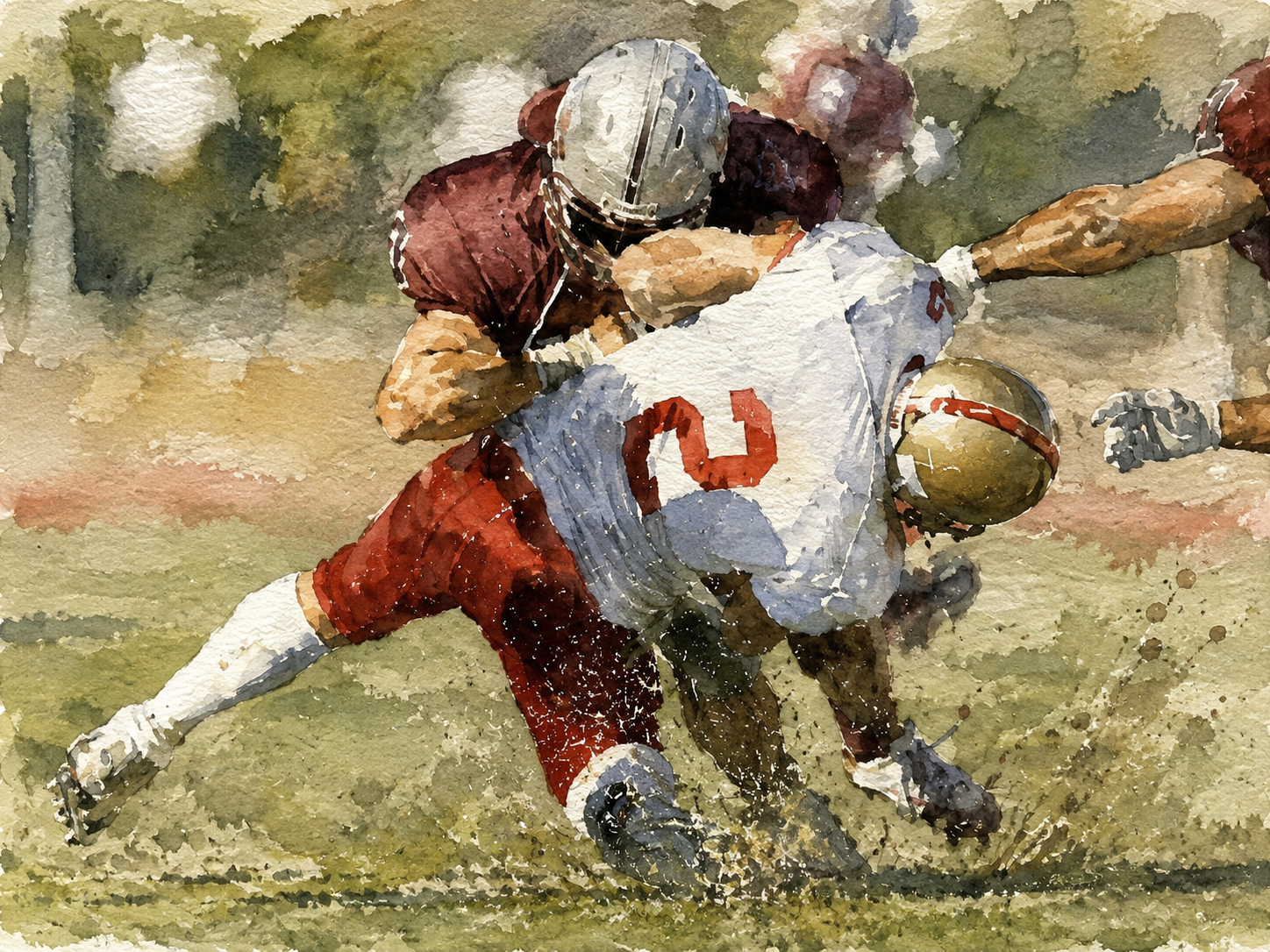
Artificial turf has been around for roughly 60 years, but the turf athletes play on today is very different from the original product.
The earliest artificial surfaces of the 1960s were essentially short synthetic carpet laid over a very firm base. Later generations added deeper fibers and sand infill, providing more cushioning. By the 1990s and 2000s, third-generation turf became widespread, using longer synthetic grass fibers combined with rubber or similar infill. These modern surfaces are softer, provide better shock absorption, and are much more similar to natural grass than the original artificial fields.
Despite those improvements, studies still show a signal that certain injuries—particularly knee ligament injuries—may occur somewhat more frequently on artificial turf than on natural grass.
Relative risk can sound scarier than absolute risk
You may see headlines or social-media posts saying that ACL or other ligament injuries occur two or even three times more frequently on artificial turf. Those numbers are not necessarily wrong. The problem is that they are usually reporting relative risk, which can make a relatively small difference sound enormous.
For example, NCAA football data found approximately 1.73 ACL injuries per 10,000 athlete-exposures on artificial turf compared with 1.24 per 10,000 on natural grass. That represents about a 39% relative increase in risk.
But put into absolute terms, the difference is only about 0.49 ACL injuries per 10,000 athlete-exposures. In other words, roughly 20,000 additional athlete-exposures on artificial turf would be required to produce one additional ACL injury compared with natural grass.
That does not mean the turf effect is imaginary. It means the magnitude of the effect needs to be kept in perspective.
Keep the risk in perspective: In this NCAA football dataset, the difference was about one additional ACL injury for every 20,000 athlete-exposures on artificial turf rather than natural grass.
PCL injuries provide another good example. One NCAA analysis reported almost a threefold increase in PCL injury rate during competition on artificial turf. That sounds dramatic, but PCL injuries were extremely uncommon: only 116 occurred across more than 3 million athlete-exposures in the dataset.
The overall literature—especially when different sports and different generations of artificial turf are considered—is therefore more nuanced than the headline “turf causes injuries.”
The surface appears to contribute some risk, but it is only one component of a much larger injury-risk equation.
So what can an athlete actually control?
One important factor is footwear.
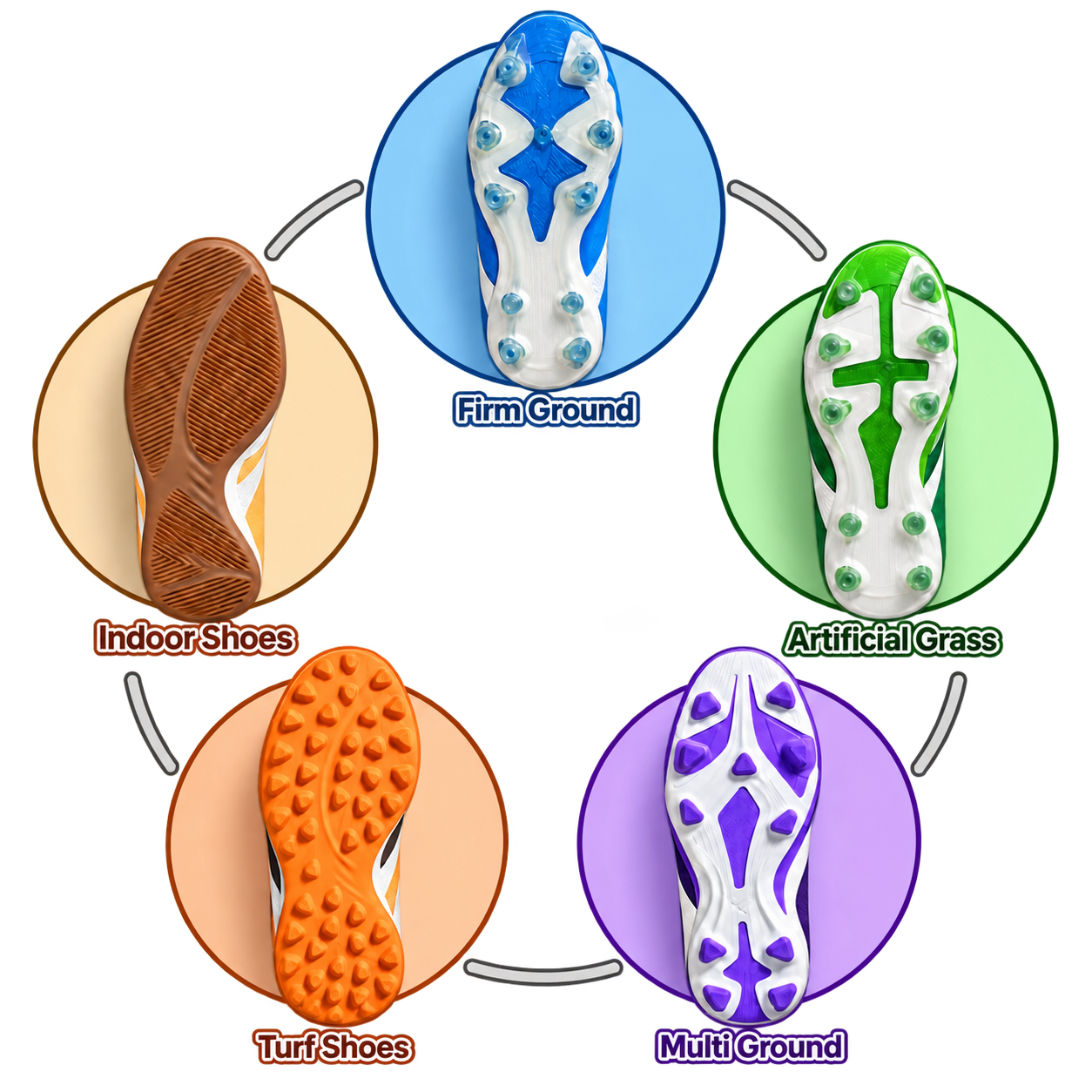
A cleat should be appropriate for the surface being played on. If the shoe creates excessive traction, the foot may remain planted while the athlete’s body rotates above it. That increases rotational forces across the knee.
Cleat pattern, cleat shape, and the interaction between the shoe and playing surface all affect traction. The goal is not simply to maximize grip, it is to have enough traction to perform without creating unnecessarily high rotational resistance.
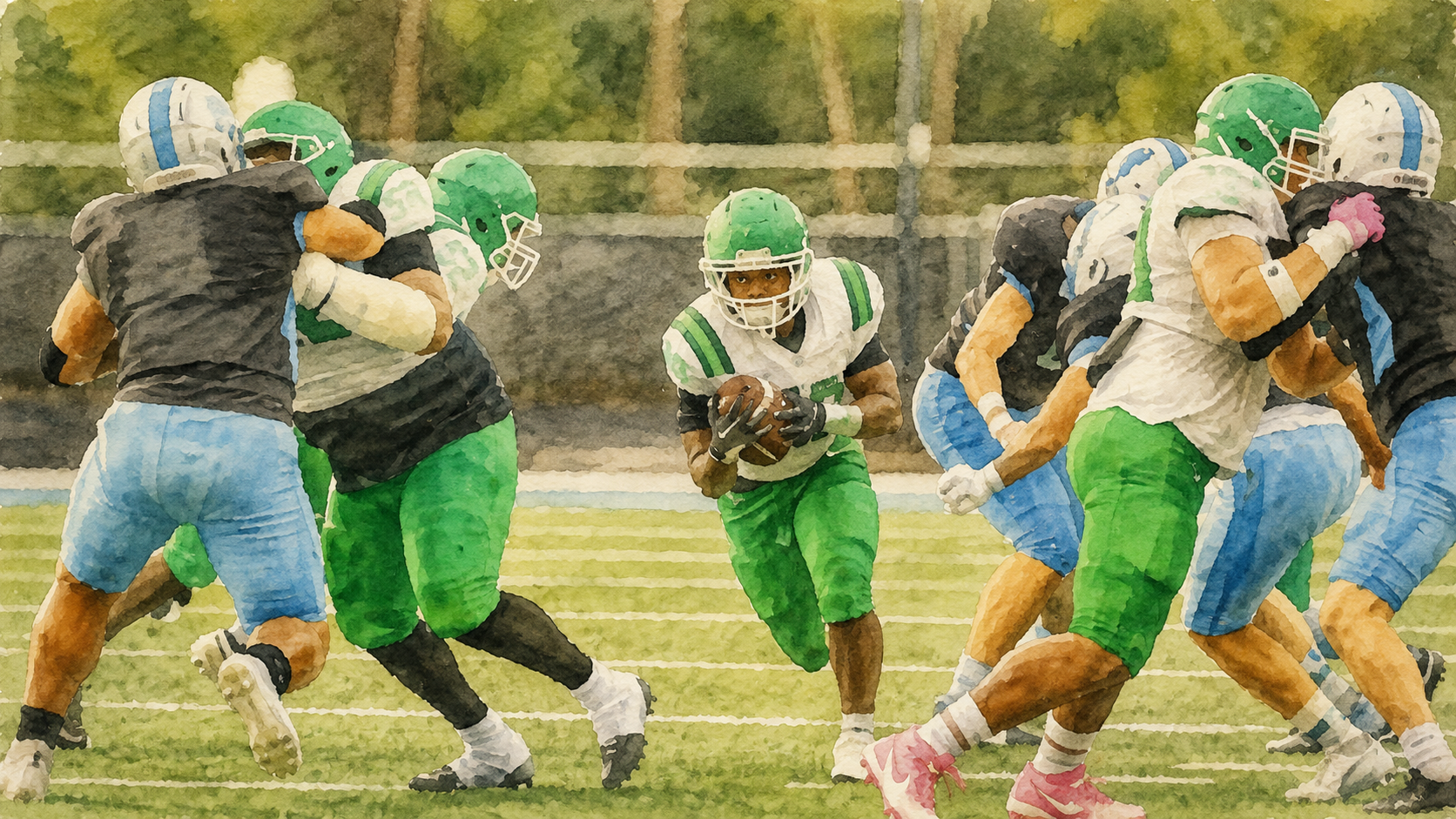
Footwear check: Choose cleats designed for the field you are playing on. More traction is not always better when the knee is cutting or rotating.
The second major controllable factor is preparation.
Athletes should not spend most of the offseason relatively deconditioned and then expect their bodies to tolerate full-speed cutting, jumping, sprinting, and contact after only a few weeks of preseason practice.
Strength training, conditioning, balance work, landing mechanics, and plyometric exercise should ideally continue throughout the year.
Ligaments, tendons, muscles, bones, and the neuromuscular system all respond to repeated loading over time. Gradually exposing the body to the forces it will encounter during competition is very different from suddenly exposing an underprepared athlete to maximal loads.
That is one reason preseason conditioning should be viewed as preparation for the season rather than an attempt to create an entire season’s worth of adaptation in a few weeks.
Build capacity gradually: Year-round strength, conditioning, balance, landing mechanics, and plyometric work help prepare the body for the forces of sport.
Some of the biggest ACL risk factors cannot be changed
Even with excellent preparation, ACL injuries cannot be completely prevented. An athlete’s anatomy and biology matter.
Factors such as the slope of the tibial plateau, the geometry of the femoral notch, generalized ligamentous laxity, hormonal and genetic influences, and individual movement mechanics can all affect ACL injury risk.
Some of those characteristics can be compensated for through strength and neuromuscular training, but the underlying anatomy cannot be changed. And one of the strongest predictors of another ACL injury is having already sustained one.
The exact risk varies substantially with age, sport, sex, return-to-sport exposure, and other factors. In a recent meta-analysis of football players following ACL reconstruction, approximately 22% sustained a second ACL injury, split almost evenly between reinjury of the reconstructed knee and injury of the opposite knee.
That is why I would not tell an athlete that every ACL tear could have been prevented if they had simply trained harder, worn different shoes, or avoided artificial turf.
Sometimes an athlete can do everything reasonably well and still get hurt.
We should prepare athletes—not make them afraid to play
The goal of sports medicine should not be to make athletes or parents fearful of activity.
Artificial turf probably contributes a small amount of additional injury risk in certain sports and situations. Appropriate footwear may reduce some of that risk. Good strength and conditioning can improve an athlete’s ability to tolerate the demands of competition.
But no intervention eliminates injury entirely. The bigger principle is to develop a strong musculoskeletal reserve: strength, cardiovascular fitness, coordination, balance, and the capacity to tolerate progressively greater physical demands.
That principle applies far beyond ACL prevention. It matters to the competitive athlete, the recreational runner, the middle-aged parent, and the older adult trying to remain independent.
For adults, current physical-activity recommendations include at least 150–300 minutes of moderate aerobic activity or 75–150 minutes of vigorous activity per week, along with muscle-strengthening exercise involving the major muscle groups on at least two days each week.
Build your reserve. Stay active. Prepare your body for the activities you want it to perform.
And if something does break despite doing everything right, that is where sports medicine and orthopedic surgery come in. Our job is not to tell people to stop doing the things they love because they might get hurt. It is to help them participate intelligently, reduce the risks we can control, and get them back to those activities when an injury does occur.
Fortunately, East Texas has an abundance of sports medicine and orthopedic specialists ready to help athletes get back to doing what they love.
References
- Dragoo JL, Braun HJ, Harris AHS. The effect of playing surface on the incidence of ACL injuries in National Collegiate Athletic Association American Football.
- Mack CD, Kent RW, Coughlin MJ, et al. Incidence of Knee Injuries on Artificial Turf Versus Natural Grass in National Collegiate Athletic Association American Football: 2004-2005 Through 2013-2014 Seasons.
- López Personat A, Mariscal G, Stålman A, et al. Second ACL injuries in football players after ACL reconstruction: A systematic review and meta-analysis.
- World Health Organization. Physical activity.